
The Complete Guide to Handgun Ammo: Types, Ballistics, and How to Choose
Handgun ammo is a self-contained cartridge uniting primer, propellant, and bullet within a single metallic case, engineered to deliver precise, repeatable energy on demand. When the firing pin strikes the primer, it ignites the powder, generating high-pressure gas that propels the projectile down the barrel with devastating efficiency. This compact power source transforms a handgun from an inert tool into a decisive instrument for personal defense or target precision, offering unmatched portability and rapid deployment in critical moments. Mastering your ammunition’s ballistics ensures every shot hits with maximum effect.
Understanding the Basics: What You’re Actually Loading Into Your Pistol
When you’re loading your pistol, you’re handling a complete cartridge, not just a bullet. That single word—bullet—refers only to the projectile sitting at the top; the whole unit is a case, primer, powder charge, and bullet. The caliber stamped on the slide tells you the bore diameter, but the actual cartridge length and pressure curve matter just as much for reliable feeding. A 9mm Luger round, for example, has a specific overall length—too short and it can fail to chamber, too long and it won’t seat in the magazine. The primer’s sensitivity and powder burn rate are tuned by the manufacturer, so mixing brands or bullet weights changes recoil and point of impact. Before you load, check the headstamp on the base—it confirms the exact load, keeping you from accidentally chambering a .380 in a 9mm barrel, which can cause dangerous pressure spikes.
Breaking Down the Anatomy of a Centerfire Cartridge
The centerfire cartridge’s anatomy consists of four integrated components: the case, primer, propellant, and bullet. The case—typically brass, nickel, or steel—holds the primer in its base pocket and the propellant in its interior. Striking the primer ignites the chemical compound, sending a flash through the flash hole to burn the powder, which expands gas to seat the bullet down the rifling. The bullet itself, whether jacketed or lead, is crimped at the case mouth to maintain consistent overall length. A critical detail is headspace: the case rim or shoulder must align precisely with the chamber to ensure reliable ignition. Understanding the primer’s role in ignition timing prevents misfires and pressure spikes, as each primer type matches a specific load’s pressure curve.
Q: Why does the cartridge case’s wall thickness affect reloading?
A: Thinner walls expand more during firing, shortening case life and requiring frequent resizing, whereas thicker walls handle higher pressure but reduce powder capacity.
How Bullet Weight (Grain) Affects Recoil and Trajectory
Bullet weight, measured in grains, directly alters felt recoil because heavier projectiles require more energy to accelerate, producing a slower, pushing impulse, while lighter grains generate a sharper, snappier kick. Trajectory shifts accordingly: a heavier bullet retains velocity better downrange, exhibiting a flatter arc at typical defensive distances, whereas a lighter bullet starts fast but sheds speed quickly, dropping more over extended ranges. For a given powder charge, lighter grains achieve higher muzzle velocity but suffer wind drift sooner; heavier grains trade initial speed for momentum and steadier flight. Selecting grain weight means balancing recoil management against point-of-impact precision, as your sights’ zero changes with each weight shift.

Heavier grains soften recoil but demand more holdover; lighter grains recoil sharper yet arc higher specialty sports — match grain weight to your grip strength and shooting distance.
Primer Types and Why They Matter for Reliable Ignition
The primer is the ignition spark that sets your entire handgun round off, and its type dictates reliability. Boxer primers, the standard for reloadable brass, feature a single central flash hole, ensuring consistent flame transfer to the powder. Magnum primers, with a hotter, longer-lasting spark, are critical for heavy loads of slow-burning powder to prevent squib loads. For defensive carry, primer sensitivity for reliable ignition is paramount, as hard primers in cheap ammo can cause misfires under a striker’s impact. Always match the primer type to your powder’s burn rate. Follow this sequence for dependable function:
- Confirm your cartridge requires small or large pistol primers.
- Select standard primers for fast powders, magnum for slow, extruded types.
- Test a few rounds for primer indentation 7mm WSM Ammo for Sale depth—too light means a weak strike risk.
Matching the Right Load to Your Specific Handgun Platform
Matching the right load to your specific handgun platform is the difference between a tack-driver and a frustrating jam factory. A compact polymer frame, with its shorter recoil spring and reduced slide mass, thrives 6.5 Creedmoor Ammo for Sale on hotter, faster-burning powders to cycle reliably, whereas a full-metal 1911 demands a crisper, consistent pressure curve. Your platform’s barrel twist rate dictates bullet weight stability—a Glock’s 1:9.84 twist loves 124–147 grain projectiles, while a Sig P226’s 1:10 twist prefers 115–124 grain for perfect stabilization. Under-powered target loads often fail to unlock a suppressed or competition-tuned slide, while over-pressured “+P” rounds can batter aluminum frames. Test your chosen ammo’s ejection pattern: a 3–5 o’clock, consistent toss means the load’s impulse matches your gun’s mass and spring tension. Trust your platform’s manual’s pressure ratings, then verify with a box of each candidate at the range.
Full Metal Jacket vs. Hollow Points: When to Use Each
Choose Full Metal Jacket rounds for range training, competition, or barrier penetration—their hard copper coating prevents fouling and feeds flawlessly in tight-chambered pistols. Hollow points are your defensive choice, expanding on impact to dump energy and minimize over-penetration. For a compact carry gun, test both: FMJs cycle reliably during break-in, while hollow points verify feeding from your specific magazine. Reserve FMJs for cheap 7mm-08 Ammo for Sale practice and hollow points for carry or home defense. Don’t use hollow points on steel targets—they fragment. Match your platform’s recoil spring: stiff springs may need hotter hollow points, while light slides favor FMJ for consistency.
- FMJ for drills and malfunction clearing; hollow points for stopping threats.
- Hollow points risk jamming in subcompact barrels; test yours.
- FMJ penetrates auto glass; hollow points excel in soft tissue.
Choosing Between 9mm, .45 ACP, and .380 ACP for Your Needs
Choosing between 9mm, .45 ACP, and .380 ACP hinges on the physical reality of your handgun’s platform, not just caliber lore. For a compact or subcompact Rimfire Ammo for Sale frame, the 9mm balances recoil management and terminal effect better than most alternatives, allowing faster follow-up shots without sacrificing capacity. The .45 ACP shines in full-size steel or polymer frames where its heavy push is absorbed, rewarding shooters who prioritize a larger wound profile over round count. The .380 ACP, however, is best reserved for micro pistols where 9mm snaps sharply and .45 is unmanageable—its softer impulse keeps the muzzle controllable during rapid fire. *A pocket .380 outperforms a 9mm you flinch from.* Evaluate your grip strength, holster position, and slide length before committing, then test factory loads for point of aim. If your platform is a striker-fired compact, choose 9mm; a 1911-style frame, choose .45; a backup deep-concealment gun, choose .380.
Understanding Pressure Ratings: +P and +P+ Loads Explained

Understanding Pressure Ratings: +P and +P+ Loads Explained starts with the SAAMI pressure ceiling, which defines maximum safe chamber pressure for standard ammunition. A +P round exceeds that standard by roughly 10%, while +P+ has no official SAAMI rating—it’s a manufacturer-specific overpressure load. Firing +P in a modern, fully supported-chamber handgun (like a Glock or Sig) is safe, but +P+ accelerates wear on locking blocks and springs. For older or alloy-frame revolvers, stick to standard pressure. The practical rule: verify your barrel’s metallurgy and recoil spring weight before trusting +P+ for carry. That extra velocity buys penetration, but it costs control and parts lifespan.
Q: How do I know if my handgun can handle +P+ loads?
A: Check the owner’s manual for explicit +P+ approval. If it only lists +P, treat +P+ as a developmental round—test 20 rounds for primer flattening or extraction issues, then inspect the frame for stress cracks after 500 rounds. Never assume a compact polymer frame matches a duty-rated steel slide.
Optimizing Performance for Self-Defense at Close Range
At close range, split seconds decide survival, so your handgun ammo must deliver immediate, decisive effect. Choose a load engineered for rapid expansion at low velocities, ensuring deep penetration through heavy clothing without over-penetrating walls. Optimizing performance for self-defense at close range demands consistent feeding under stress, so stick to proven hollow-points with a bonded core that resists fragmentation. Prioritize a round with reliable ignition and minimal recoil impulse, allowing fast follow-up shots on a moving threat. Test your chosen ammunition in your specific firearm to confirm point-of-aim impact at typical contact distances. Close-quarters defensive ammunition should also cycle flawlessly from a compressed slide, as malfunctions are fatal in a struggle. Ultimately, select a load that balances barrier blindness with controlled expansion, and practice with it to build muscle memory—because unpredictable proximity demands ammunition that performs without hesitation.
Penetration Depth: Finding the Sweet Spot for Defensive Rounds
Penetration depth is the make-or-break factor for defensive rounds, because too little means the bullet stops before hitting vitals, while too much risks over-penetrating through walls or a threat. The sweet spot for defensive rounds generally sits between 12 and 18 inches in ballistic gel—enough to reach the heart or aorta from any angle, yet shallow enough to reduce collateral risk. Heavier, slower bullets like 147-grain 9mm tend to stay in that range, while light, fast hollow points can expand too early and under-penetrate. Test your carry ammo in gel or barriers to confirm it stays inside that window.
- Choose loads with verified 12–18 inch gel Ammunition for Sale penetration.
- Avoid frangible rounds—they often stop short of vital organs.
- Check barrier tests (denim, drywall) to see if penetration shifts drastically.
- Prioritize consistent depth over raw expansion numbers.
How Bullet Expansion Works and What to Look For in Terminal Ballistics
Bullet expansion is the controlled flattening of a hollow-point’s nose upon striking soft tissue, which increases the wound channel diameter and hastens energy transfer. Look for consistent expansion between 1.5 and 2 times the original bullet diameter across gelatin tests, as this indicates reliable performance at self-defense velocities. Avoid rounds that fragment excessively or fail to open at close-range speeds—both lead to over-penetration or shallow wounds. Terminal ballistics also demand weight retention above 80%, ensuring the bullet remains intact to reach vital structures. A bonded-core or jacketed hollow-point design delivers this balance, giving you stopping power without sacrificing barrier penetration.
- Verify expansion in 10% ballistic gelatin, not water or wet-pack media, for realistic tissue simulation.
- Check Rifle Ammo for Sale that expansion occurs reliably at muzzle velocities typical of your barrel length (e.g., 850–1,100 fps for 9mm).
- Prioritize bullets with a tapered or serrated cavity that resists clogging through clothing or heavy denim.
- Reject loads with jacket-core separation, which reduces penetration and creates erratic wound paths.
Low-Flash and Reduced-Recoil Options for Low-Light Scenarios
When navigating darkness, muzzle flash can destroy your night vision for critical seconds, making low-flash handgun ammunition a tactical necessity. Reduced-recoil loads, often using lighter projectiles or slower burn rates, keep your sights on target for rapid follow-up shots without the blinding bloom that lingers after firing. A flatter trajectory and softer impulse also reduce flinch, which is crucial when you cannot see exactly where your round lands. However, velocity trade-offs mean you must verify that a reduced-recoil round still meets your minimum penetration threshold for defensive use. Test these options in pitch black to confirm your aim stays true.
**Q: How do low-flash loads improve my reaction time in low light?**
A: They eliminate the white-out effect that forces your eyes to re-adapt to darkness, so you retain situational awareness and can immediately assess threats or reposition.
Getting the Most Out of Every Box at the Range
Getting the most out of every box at the range starts with splitting your handgun ammo into three jobs: zeroing, skill-building, and stress-testing. Shoot the first five rounds from a rested bag to confirm your sights, not for group size. Then burn the next ten on slow, deliberate trigger control—watching the front sight lift. Save the last five for one-handed or weak-hand drills, since that’s where your carry gun will actually fail you. Don’t mag-dump for fun; every shot needs a purpose.
Track your hits on a single target, not the round count, because a box of fifty teaches you more when you analyze each flinch than when you just chase speed.
Finish by shooting two rounds from the holster at seven yards to simulate a real defensive trigger press, ensuring your ammo and your grip work under pressure.
Reading the Box Label: Velocity, Energy, and Bullet Type Decoded
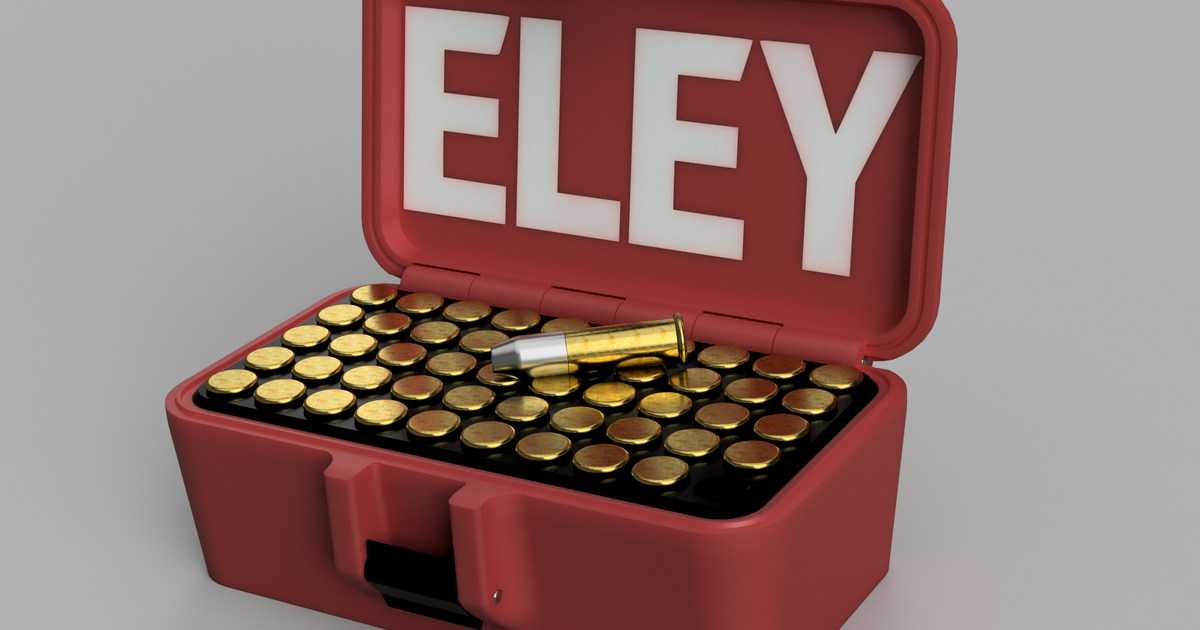
The box label is your ammo’s cheat sheet, and decoding it starts with velocity—usually listed in feet per second (fps). A higher fps often translates to a flatter trajectory and snappier recoil, but it also affects how your bullet expands on impact. Next, check the energy figure, typically in foot-pounds, which tells you the real-world stopping power Handgun Ammo for Sale at the muzzle. However, don’t fixate solely on peak numbers, as energy drops off quickly downrange, so match it to your typical shooting distance. Finally, bullet type—full metal jacket, hollow point, or flat nose—dictates penetration and expansion. Reading the box label before you load ensures your handgun’s performance aligns with your intent, whether it’s plinking or defense.
Velocity gives speed, energy gives punch, and bullet type gives behavior—decode all three to shoot with purpose.

How to Store Your Cartridges to Preserve Reliability and Accuracy
To keep your handgun ammo shooting true, treat storage as part of your accuracy routine. Consistent environmental control is the backbone of cartridge reliability, so store boxes in a cool, dry place with stable temperatures, ideally between 55–75°F. Avoid attics or garages where humidity swings can corrode brass and degrade powder. Keep rounds in their original packaging or a hard case, never loose in a bag where they can bang together and set back bullets. *Seal containers with a desiccant pack in humid climates, as moisture is the silent killer of ignition consistency.* Rotate your stock, using older cartridges first to prevent age-related primer failure.
- Store vertically with bullet tips up to reduce powder shift.
- Use airtight ammo cans with rubber gaskets for long-term storage.
- Keep cartridges away from solvents, oils, and direct sunlight.
Simple Steps for Testing Different Brands to Find Your Gun’s Favorite
Start by grabbing three to five brands of the same bullet weight, then load one magazine per box, labeling each target with the load name. Fire five-shot groups from a rested position at 15 yards, noting where each round impacts relative to your point of aim. After the first session, narrow the field to the two most accurate options, then run a second test focusing on recoil impulse and slide cycling speed. Pay attention to how quickly your front sight returns—this tells you if the load matches your gun’s spring rate. Finish with a 50-round reliability drill on the winner, checking for feed failures or sticky extraction before committing to a bulk purchase.
Test multiple brands side-by-side, compare accuracy and recoil, then verify reliability with a full box before adopting a favorite.
Answering the Practical Questions New Shooters Ask
When answering the practical questions new shooters ask about handgun ammo, start with the most common confusion: caliber selection. Beginners often ask if a 9mm is “enough,” so explain that recoil management matters more than raw power for accuracy. Show them how to read box labels, emphasizing that bullet weight (measured in grains) changes felt recoil and trajectory. For practice, steer them toward full metal jacket rounds for cost-effectiveness, then clarify that hollow points expand on impact—crucial for defensive use but not ideal for range drills due to over-penetration risks and price. Address their fear of misfires by teaching them to check primer strikes and always point the muzzle downrange. Finally, simplify the myth of “stopping power” by comparing energy transfer in plain terms, not marketing jargon. Their real question is always: “Will this ammo cycle 6.5 PRC Ammo for Sale my gun reliably?”—so recommend testing a few brands before bulk-buying.
How Many Rounds Should You Buy for Practice vs. Carry?
For practice, buy in bulk—think 500 to 1,000 rounds at a time—because range time is where you build muscle memory, and the per-box price drops noticeably. For carry ammo, you don’t need a stockpile; two or three boxes is plenty, since you’ll only shoot it to confirm reliability and then rotate it out every few months to avoid setback or moisture issues. Practice rounds should dominate your ammo budget, while carry rounds are a smaller, premium investment. A good rule is one box of defensive hollow points for every ten boxes of practice ammo. *You’ll fire hundreds of practice rounds for every single carry round you actually need.*
What’s the Real Difference Between Brass and Aluminum Casings?
The real difference between brass and aluminum casings is reloadability and pressure tolerance. Brass flexes slightly under firing pressure, then springs back to its original dimensions, allowing multiple reloads. Aluminum, being less ductile, does not spring back as effectively; it expands permanently and loses its seal, rendering it one-time-use. This also affects extraction: aluminum cases can stick in the chamber if your gun runs dirty, since they lack brass’s self-sealing resilience. For defensive or practice ammunition, aluminum is cheaper and perfectly functional—just never save it for reloading. Weigh your priorities: budget-friendly, disposable aluminum versus durable, reusable brass, which also typically feeds more smoothly in tight-tolerance pistols.
Can You Mix Bullet Weights in a Single Magazine Without Issues?
Mixing bullet weights in a single magazine is technically possible, but it creates predictable issues that most shooters should avoid. When you load 115-grain and 147-grain rounds together, point of impact shifts between shots due to different velocities and recoil impulses, making rapid follow-up shots inconsistent. Mixed bullet weights in one magazine compromise accuracy and defensive reliability because your sights are zeroed for one load, not a blend. Functionally, most handguns cycle both weights fine, but you may experience a subtle difference in slide speed, occasionally causing a failure with weak loads after a hot round. If you are simply plinking at close range, the mix might not matter, but for precision or self-defense, keep weights uniform Shotgun Ammo for Sale per magazine. This practice also confuses your ability to track which load is chambered, complicating malfunction diagnosis or chronograph data.
Mixing bullet weights in one magazine works mechanically, but it harms accuracy and predictability—stick to one weight per magazine for consistent performance and reliable defense.