
The evolution of casinos A journey through time and culture
Historical Origins of Gambling
The origins of gambling can be traced back thousands of years to ancient civilizations. Archaeological evidence suggests that the Chinese were among the first to engage in betting activities around 2300 BCE, using rudimentary tiles to play a game of chance. Similarly, ancient Egyptians utilized dice, indicating that the thrill of risk has always been a part of human culture. These early forms of gambling laid the foundation for the development of more structured gaming environments, which have evolved into the best online casino experiences we know today.

As societies progressed, gambling became intertwined with cultural practices. In ancient Rome, for instance, betting on gladiatorial contests was commonplace, showcasing how gambling often reflects societal interests and values. The transition from informal gatherings to established venues marked the beginning of what we now recognize as casinos.
The Birth of the Modern Casino
The modern casino concept took shape in the 17th century in Italy with the establishment of the first gaming houses, known as “ridotti.” These venues allowed the upper class to indulge in various games of chance while socializing. As the idea of the casino spread across Europe, it evolved into grand establishments, such as the Casino di Venezia, which opened its doors in 1638. This period marked the transition from private gaming rooms to public spaces where gambling was openly celebrated.
The gambling revolution continued in the 19th century, particularly in France, where casinos flourished along the French Riviera. This era saw the introduction of iconic games like roulette and baccarat, further enriching the gambling experience. The allure of casinos during this time made them hotbeds of social activity and entertainment, solidifying their place in cultural history.
The Golden Age of Casinos
The early 20th century ushered in the golden age of casinos, especially in the United States. With the establishment of Las Vegas as a gambling hub in the 1930s, casinos began to cater to a wider audience. The glitz and glamour of Las Vegas attracted tourists from around the world, turning it into the epitome of casino culture. Iconic properties such as the Flamingo and The Sands played significant roles in popularizing the casino lifestyle.
This era was characterized by extravagant designs, elaborate shows, and a plethora of gaming options. The casino experience evolved into a comprehensive entertainment package, appealing not only to gamblers but also to families and vacationers. The cultural significance of casinos grew, influencing films, music, and fashion during this vibrant period.
Global Expansion and Regulation
The latter half of the 20th century witnessed the global expansion of casinos, with many countries recognizing their economic potential. Governments began to regulate gambling, legalizing casinos in various regions to boost tourism and generate revenue. This shift led to the establishment of casinos in places like Macau, which has since become one of the largest gaming markets in the world.
With this expansion came a broader range of gaming options, including online casinos. The advent of the internet revolutionized the gambling landscape, allowing players to enjoy casino games from the comfort of their homes. This development also raised questions about responsible gambling and the need for robust regulations to protect players, leading to the implementation of stricter laws in many jurisdictions.
Future of Casinos and Online Gaming
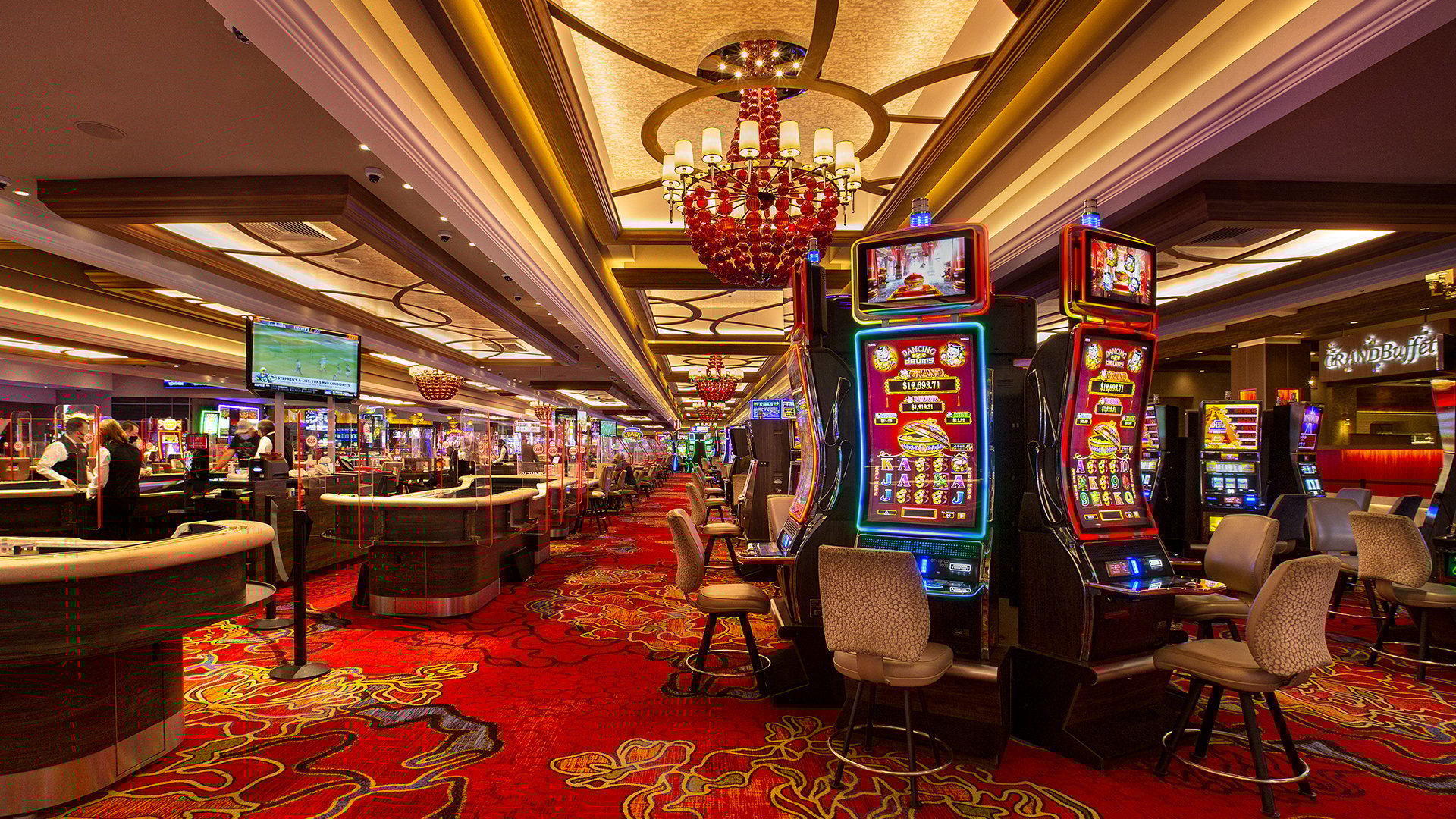
Today, the casino industry is at a crossroads, facing both challenges and opportunities. The rise of online gaming platforms has transformed how people engage with casinos. With advancements in technology, players can now access a wide array of games through their mobile devices, leading to a more personalized gaming experience. This shift has necessitated adaptation from traditional casinos, pushing them to incorporate digital elements to attract a tech-savvy audience.
As the industry evolves, the focus on user experience has become paramount. Casinos are not merely places to gamble; they are entertainment hubs that offer dining, shows, and immersive experiences. As we look ahead, the evolution of casinos will undoubtedly continue, shaped by cultural trends, technological innovations, and player preferences.